Potted Plants

Declan Kennedy
| 30-12-2025
 · Nature Team
Taking care of potted plants is one of the most rewarding hobbies. Not only do they add beauty and tranquility to any space, but they also purify the air and create a more inviting environment.
However, successfully growing plants in containers requires some knowledge and care. If you're new to gardening or just looking to refresh your plant care routine, these simple yet effective tips will help ensure your plants thrive.
Choose the Right Container
One of the most important aspects of successful potted plant care is choosing the right container. This decision affects everything from the plant's root health to its overall growth.
- Size Matters: Pick a container that's big enough to allow the roots to grow but not so large that it retains excess moisture. A container that's too big can lead to waterlogged roots, while one that's too small can stunt growth.
- Drainage Holes: Always choose a container with drainage holes at the bottom. This allows excess water to escape, preventing root rot. If your chosen container doesn't have drainage holes, you can create small ones using a drill.
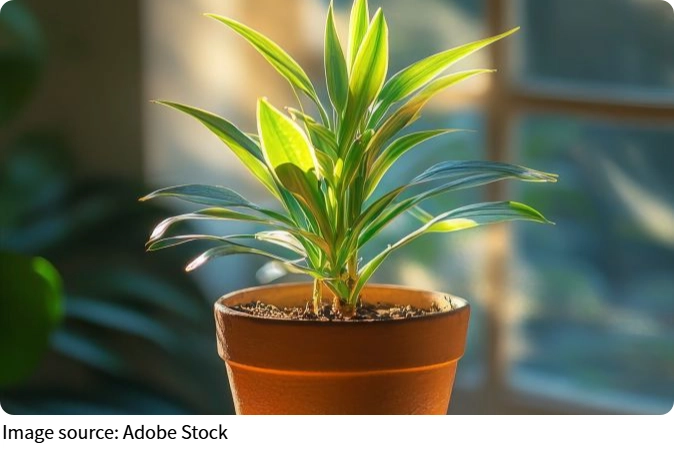
- Material: Containers come in various materials like plastic, ceramic, and terracotta. Plastic pots retain moisture longer, while terracotta pots are breathable, which helps in drier environments.
Tip: If you're unsure, terracotta pots are often a safe bet, especially for plants that don't like overly moist soil.
Proper Soil and Fertilization
Soil quality is crucial for plant health. While it might be tempting to use whatever soil you have around the house, the right soil can make all the difference in ensuring your plants flourish.
- Soil Type: Different plants have different needs. Succulents, for example, require well-draining soil, while tropical plants may need richer, moisture-retentive soil. Always check your plant's specific soil needs before planting.
- Fertilizing: Over-fertilizing can harm plants, but under-fertilizing can stunt growth. Most plants benefit from a balanced liquid fertilizer diluted to half strength during the growing season. Apply once a month or as recommended for your specific plant.
- Repotting: As plants grow, they may outgrow their container. Repot your plants every 1-2 years or when they show signs of being root-bound (roots growing through the drainage holes).
Actionable Example: For a flowering plant like a geranium, use a high-phosphorus fertilizer to encourage blooming, and repot it every year.
Watering Practices
Watering is one of the most common challenges plant owners face, and it's also one of the easiest to get wrong. Overwatering is a major cause of plant stress, but underwatering can also harm your plants.
- Watering Frequency: The amount of water your plant needs depends on its species, the size of the container, and the season. Generally, most plants prefer the soil to dry out between waterings, but not completely. Use your finger to check the soil moisture—if it feels dry a few inches down, it's time to water.
- Watering Method: Water the soil directly, not the leaves. This prevents the risk of fungal diseases. Water until it starts to drain from the bottom of the container, which ensures that the soil is thoroughly moistened.
- Seasonal Adjustments: During the winter months, many plants go dormant and require less frequent watering. Be sure to reduce watering during this time to prevent root rot.
Tip: Consider using a self-watering container if you're often away or forget to water regularly.
Lighting Needs
Plants are solar-powered, meaning they rely on light to thrive. Understanding their light requirements is essential for keeping them healthy.
- Direct vs. Indirect Light: Some plants, like succulents, love bright, direct sunlight, while others, such as ferns, thrive in low to moderate light. Check the light preferences for each plant type and place them accordingly.
- Rotating Plants: Every few weeks, rotate your plants so that they receive even light exposure. This prevents them from leaning toward the light source, which can cause uneven growth.
- Artificial Lighting: If you don't have enough natural light, you can use grow lights. These provide the right spectrum of light to keep your plants healthy, even in low-light conditions.
Actionable Example: For a leafy plant like a peace lily, place it in a spot with indirect light to keep it healthy, and use a grow light during the darker months.
Temperature and Humidity
Temperature and humidity are often overlooked but are just as crucial for your plant's health as light and water.
- Ideal Temperature Range: Most indoor plants thrive in temperatures between 60-75°F (16-24°C). Avoid placing plants in drafty areas or near heat sources like radiators, as extreme temperature changes can stress them out.
- Humidity: Many tropical plants, like ferns and orchids, thrive in humid environments. If your home is dry, especially in winter, consider using a humidifier or placing a tray of water near the plant to increase moisture in the air.
Tip: Regularly misting your plants with water can also help increase humidity for those that enjoy a moist environment.
Common Plant Care Mistakes to Avoid
Even the most seasoned plant owners make mistakes. By being aware of common pitfalls, you can avoid them and keep your plants happy.
- Overwatering: This is perhaps the most common mistake, especially for beginners. Always check the soil moisture before watering, and remember that it's better to underwater than overwater.
- Ignoring Plant Needs: Different plants have different needs when it comes to sunlight, water, and soil. Do a little research on each type to ensure you're meeting those needs.
- Neglecting to Check for Pests: Regularly inspect your plants for pests like aphids or spider mites, which can damage the plant and spread to others.
A Flourishing Finale
Embracing the care of potted plants is more than a hobby; it is a gentle, ongoing conversation with nature. Each choice—from the container's material to the morning's watering—becomes a quiet act of partnership. While these tips provide the essential vocabulary, the true joy lies in observing, learning, and responding to your unique green companions.
So, begin with confidence, adjust with curiosity, and watch as your care is returned tenfold. A thriving indoor garden is not just a display of beauty, but a testament to your attentive partnership with the natural world, growing right alongside you.