Hydrate Correctly
Amit Sharma
| 30-12-2025
 · Food Team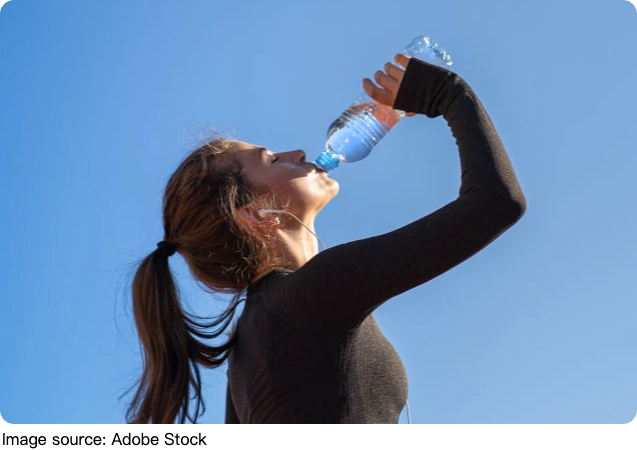
Ever felt like you're chugging water after every exercise session but still end up feeling sluggish? Or maybe you've experienced cramps or dizziness after an intense workout, wondering if it's related to hydration.
Drinking water during exercise isn't as simple as taking a sip whenever you're thirsty—it's about timing, amount, and how your body reacts to exertion. Get it right, and your performance and recovery can improve dramatically. Here's a breakdown of how to hydrate correctly during exercise, so you can stay energized, avoid dehydration, and make the most out of your workout.
Why Hydration is Key When Exercising?
Sports nutritionist Dr. Nancy Clark, emphasizes that proper hydration during exercise is essential: even mild dehydration can impair performance, reduce endurance, and increase the risk of fatigue, cramps, and heat-related issues. Water helps regulate body temperature, maintain energy, and support overall exercise performance.
- Prevents Fatigue: Proper hydration ensures your body can produce energy efficiently. Even a slight drop in water levels can cause you to feel sluggish and reduce your endurance.
- Regulates Temperature: Sweat is your body's natural cooling system. Without enough water, your body struggles to regulate its temperature, increasing the risk of overheating.
- Improves Recovery: Hydrating during and after exercise helps replenish fluids lost, reducing the risk of muscle cramps and speeding up recovery.
When to Drink Water During Exercise?
Knowing when to drink water can make all the difference. While some people may think they should drink only after exercise, sipping water throughout your session can keep you feeling fresh and prevent dehydration.
- Before Exercise: Start hydrating before you even hit the gym. Drinking water about 30 minutes before your workout will prime your body to handle the sweat and effort ahead. Aim for 16–20 ounces of water.
- During Exercise: Sip water every 15–20 minutes during your workout. For a typical 60-minute session, this will usually mean drinking about 7–10 ounces of water at regular intervals.
- After Exercise: Post-workout hydration is equally important. Drink water immediately after finishing your workout to replenish fluids. Aim for 16–24 ounces within the first 30 minutes to help rehydrate and speed up recovery.
How Much Water Should You Drink?
The right amount of water can depend on several factors, such as your workout intensity, duration, and climate. However, a general guideline can help you stay on track.
- Normal Exercise (30–60 minutes): For moderate sessions, aim to drink about 7–10 ounces every 15–20 minutes. This ensures you're replacing the water lost through sweat.
- Intense or Long Exercise (1 hour or more): If you're doing high-intensity workouts or endurance training for an hour or more, you might need more water, about 10–12 ounces every 15–20 minutes. This helps prevent dehydration and maintains your energy.
- Hot Weather or High Altitude: In warmer climates or at higher altitudes, you'll lose more fluids through sweat and breathing. Increase your intake by 20–30% to avoid dehydration.
- Sweat Rate: If you're a heavy sweater, you may need more water to replenish what's lost. You can gauge your sweat rate by noting how much fluid you consume during a workout compared to how much weight you lose. For every pound lost, aim to drink an additional 16–20 ounces of water.
Signs You're Not Drinking Enough
Even though you may be drinking water during your workouts, it's easy to miss the subtle signs of dehydration. Here's how to know when you're falling short:
- Dry Mouth or Thirst: Thirst is a basic sign that your body is signaling a need for water. If you feel parched during your workout, it's a signal to hydrate.
- Headaches or Dizziness: Dehydration can cause you to feel lightheaded or even develop headaches during or after a workout. This can be a red flag that you need to drink more water.
- Muscle Cramps: Dehydration and an imbalance of electrolytes can lead to muscle cramps. If you notice persistent cramping during exercise, take a break to hydrate and stretch.
- Fatigue: If you're feeling extra tired or sluggish, it could be due to not getting enough fluids to fuel your muscles. Drinking more water during your session can help you feel more energized.
Water vs. Sports Drinks: What's Best for You?
You might be wondering whether sports drinks are necessary during your workout. The answer depends on the intensity and duration of your activity. Let's break down when water is sufficient and when you might need an extra boost.
- Water: For most workouts that last under an hour, water is all you need to stay hydrated. It rehydrates without the added sugars or artificial ingredients found in some sports drinks.
- Sports Drinks: If you're exercising intensely for more than an hour or sweating a lot, sports drinks with electrolytes like sodium and potassium can help replenish the minerals lost through sweat. However, be cautious of drinks that are high in sugar or artificial additives. Look for ones with a balance of electrolytes and natural sugars if you need an extra boost.
Tips for Staying Hydrated
Staying on top of hydration doesn't have to be complicated. Here are some tips to make it easier:
- Use a Reusable Water Bottle: Keeping a water bottle with you during your workout ensures you have constant access to hydration. Choose a bottle that's easy to carry and fits into your routine.
- Track Your Intake: Consider setting a timer or using an app to remind you to sip water every 15–20 minutes during your workout.
- Flavor Your Water: If plain water doesn't excite you, try adding a splash of lemon, lime, or cucumber to make it more refreshing and fun.
- Hydrate Consistently: Hydration is an ongoing process. Drink water before, during, and after exercise to keep your body balanced and energized.
Getting your hydration right is one of the easiest ways to improve your workout performance and recovery. By knowing when and how much to drink, and paying attention to your body's signs of dehydration, you can stay at your best and avoid unnecessary fatigue or discomfort. So next time you hit the gym, make sure you're sipping regularly—your body will thank you!