Eat the Rainbow

Nolan O'Connor
| 30-12-2025
 · Food Team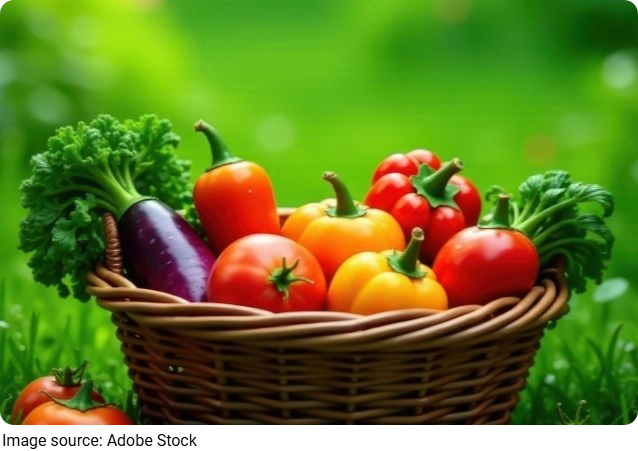
Ever notice how your plate of food looks a lot more appetizing when it's bursting with color? There's a good reason for that: eating a variety of colorful fruits and vegetables is not just about making your meals look pretty; it's also about making your body feel its best.
The vibrant hues of fruits and veggies are packed with essential nutrients, antioxidants, and health-boosting compounds that can help prevent disease, boost energy, and improve overall well-being. Let's explore how eating the rainbow can be a game-changer for your health, and how you can easily incorporate more color into your diet every day.
Why Color Matters in Your Diet?
According to Dr. Evangeline Mantzioris, Program Director of Nutrition and Food Sciences and an Accredited Practising Dietitian at the University of South Australia, the vibrant colours in fruits and vegetables come from natural pigments known as phytonutrients, and each colour group contains distinct nutrients that play unique roles in supporting health — which is why eating a “rainbow” of produce helps ensure a wider range of nutritional benefits.
- Antioxidants: Many brightly colored fruits and vegetables contain powerful antioxidants, which help protect your body's cells from damage caused by free radicals. For example, the red in tomatoes comes from lycopene, a potent antioxidant linked to a reduced risk of cancer.
- Vitamins & Minerals: Each color group contains specific vitamins and minerals essential for maintaining good health. Yellow and orange foods like carrots and sweet potatoes are rich in beta-carotene (a form of Vitamin A), which supports vision and immune health.
- Phytonutrients: These plant compounds are responsible for many of the health benefits associated with eating fruits and veggies. For instance, green foods like spinach and kale contain chlorophyll, which has been shown to have anti-inflammatory and detoxifying properties.
Actionable Tip: To make sure you're getting a variety of nutrients, aim to fill half of your plate with colorful fruits and vegetables at every meal.
How to Incorporate More Color Into Your Meals?
It's easy to feel overwhelmed when trying to add more color to your meals, but it doesn't have to be complicated. Simple swaps and small changes can make a big difference. Here are a few practical tips for eating the rainbow.
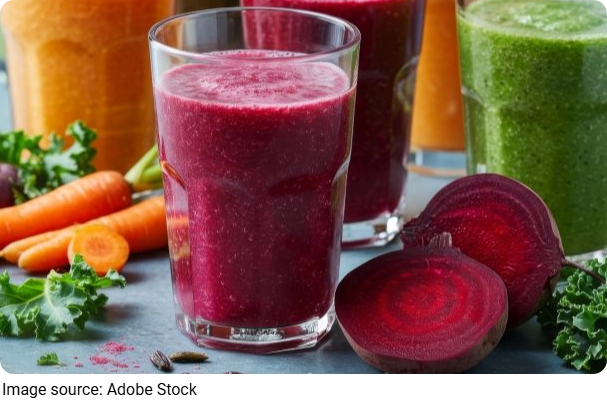
- Start with Smoothies: One of the easiest ways to boost the color of your diet is by blending up fruits and veggies. Add a handful of spinach, a banana, some berries, and a splash of almond milk for a smoothie that's not only colorful but also packed with nutrients.
- Mix Up Your Salads: Instead of relying on just lettuce, try adding colorful veggies like cherry tomatoes, bell peppers, shredded carrots, or purple cabbage. These ingredients not only add vibrant color but also provide a range of vitamins and minerals.
- Add Fruit to Your Breakfast: Start your day by adding fruit to your breakfast, like topping your oatmeal with blueberries, raspberries, or sliced kiwi. This is an easy and delicious way to get your daily dose of antioxidants and vitamins.
Actionable Tip: Make it a goal to try one new fruit or vegetable every week. Whether it's a new variety of berry or a unique root vegetable, it will keep your meals exciting and help diversify your nutrient intake.
The Health Benefits of Different Colors
Each color group provides unique health benefits. Here's a quick breakdown of what each color brings to the table:
- Red & Pink (Tomatoes, Strawberries, Watermelon): These vibrant colors are often rich in lycopene, which may reduce the risk of certain cancers and support heart health. Red fruits and vegetables also contain high levels of Vitamin C, essential for immune function.
- Orange & Yellow (Carrots, Sweet Potatoes, Bell Peppers): These foods are packed with beta-carotene, which is converted into Vitamin A in the body. Vitamin A is crucial for maintaining healthy skin, vision, and a strong immune system.
- Green (Spinach, Kale, Broccoli): Green vegetables are rich in fiber, iron, and folate, and they contain powerful antioxidants like lutein and zeaxanthin. These compounds are particularly beneficial for eye health and reducing the risk of chronic diseases like diabetes.
- Blue & Purple (Blueberries, Eggplant, Purple Cabbage): Blue and purple fruits and vegetables are loaded with anthocyanins, which have anti-inflammatory properties and may support brain health and reduce the risk of heart disease.
- White & Brown (Cauliflower, Mushrooms, Garlic): Although less colorful, these vegetables offer valuable nutrients, such as allicin in garlic, which has been shown to support heart health and boost the immune system.
Actionable Tip: Focus on incorporating a new color into your meals every few days. For instance, add purple cabbage to your salad one day and try roasting carrots and sweet potatoes the next.
Fun Ways to Eat More Colorful Fruits and Vegetables
Eating colorful fruits and veggies doesn't have to be boring or bland. There are plenty of ways to get creative in the kitchen while ensuring you're fueling your body with all the nutrients it needs.
- Veggie Wraps: Wrap your favorite colorful veggies in a whole-wheat tortilla with a spread of hummus or avocado for a quick and tasty lunch. The crunchy vegetables paired with the creamy spread make for a satisfying, nutrient-packed meal.
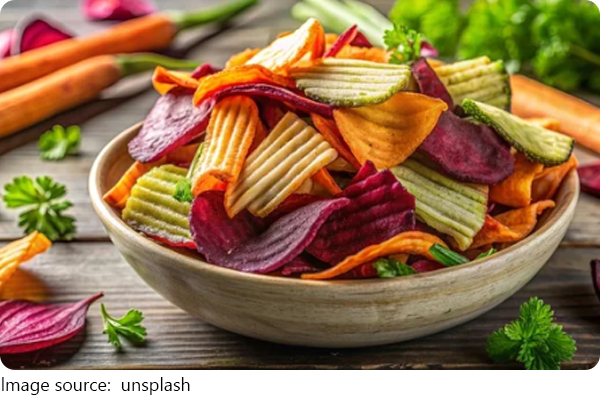
- Roasted Veggie Bowls: Roasting vegetables enhances their flavor and brings out their natural sweetness. Try roasting sweet potatoes, beets, carrots, and Brussels sprouts, then toss them with a drizzle of olive oil, a sprinkle of salt, and your favorite herbs.
- Fruit and Veggie Popsicles: For a fun twist, blend fruits and veggies like berries, spinach, and a little coconut water, then pour the mixture into popsicle molds and freeze. These homemade popsicles are a perfect snack on a hot day!
Actionable Tip: Experiment with different cooking methods—steaming, roasting, grilling, and sautéing all bring out different flavors and textures in fruits and veggies, keeping your meals exciting.
Conclusion: The Rainbow Diet for Health
Eating a variety of colorful fruits and vegetables is one of the easiest and most effective ways to nourish your body. Each color group offers unique nutrients that work together to promote overall health, boost your immune system, and reduce the risk of chronic diseases. By making simple changes—like swapping out bland veggies for vibrant ones or adding fruits to your breakfast—you can enjoy a more exciting, nutrient-rich diet every day.
So next time you're at the grocery store, think about adding more color to your cart. Your body—and your taste buds—will thank you!