Wild Ice Adventure
Caleb Ryan
| 30-12-2025
 · Travel Team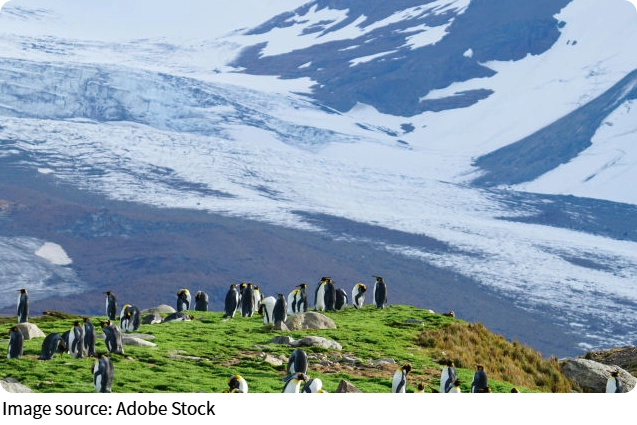
Lykkers, if you're ready to explore one of the most remote and wild places on Earth, South Georgia Island is calling.
This giant island in the South Atlantic Ocean boasts towering peaks, massive glaciers, and abundant wildlife that create a truly unforgettable experience.
As part of the British Overseas Territory of South Georgia and the South Sandwich Islands, the island has no regular hotels or restaurants, so practical planning is essential.
Best Time to Visit
South Georgia's travel season runs during the Southern Hemisphere summer, usually from November to March. This is when weather conditions are least severe and wildlife activity is at its peak:
- December to February: Best months for abundant king penguin chicks, elephant seal pups, and active seabirds.
- January and February: Long daylight hours and more stable weather, offering the most opportunities for landings and photography.
- March: Still possible to visit, but some animals start migrating and weather becomes more unpredictable.
Even in summer, strong winds, snow, and rain are common, so prepare for changeable conditions throughout the day.
How to Get There (Transportation)
Because South Georgia is extremely remote, there are no direct flights or public ferries. Almost all visitors travel via expedition cruises that depart from Ushuaia, Argentina or sometimes from the Falkland Islands.
- Ushuaia departure: Most common starting point. Boards expedition ships that cross the Drake Passage and then reach South Georgia after several days at sea.
- Falkland Islands route: Some travelers fly from Punta Arenas (Chile) to the Falklands first, then embark on a ship. This cuts down time at sea but requires careful scheduling.
Because there is no public transport on the island itself, all landings and transfers are managed by the expedition crew using small boats (zodiacs).
Visitor Permit Fees
All landings on South Georgia, even for brief visits, require a visitor permit. Fees depend on the length of your visit:
- Up to 3 days: around $180.
- Each additional started 24‑hour period: about $32, capped at around $310 for longer visits.
If you submit your application late (e.g., within 30–60 days of travel), higher charges may apply. These fees are administrative and must be arranged before travel.
Typical Trip Costs
Because there are no conventional hotels or shops on the island, most costs are tied to the expedition cruise you join.
Cruise costs (per person):
- Standard cabin expedition: $7,000 to $15,000 for short routes (10–14 days).
- Double‑route (Falklands + South Georgia + Antarctic Peninsula): $15,000 to $30,000+ for longer trips (16–20 days).
- Premium or luxury voyages: $15,000 to $35,000+ with upgraded cabins and amenities.
Prices generally include meals aboard the ship, guided excursions and landings, basic expedition gear (like boots and jackets), and educational briefings. What's not included usually are flights to the departure city, travel insurance, visa/permit processing fees, and personal gear.
Accommodation & Dining
Because the island has no hotels, lodges, commercial restaurants, or ATMs, accommodation and meals are almost always bundled with the expedition cruise you choose:
- Accommodation: You sleep on board your expedition ship, in cabins ranging from shared budget cabins to deluxe suites depending on price tier.
- Dining: Meals are provided on the ship throughout your journey — generally buffet breakfast and lunch plus prepared dinner. Crew may offer a range of dishes, often international and hearty to match the cold climate.
There are no local eateries on South Georgia itself, so bringing extra snacks or special dietary foods is wise if you have specific needs.
What You Can Do There
South Georgia's main attractions are the wildlife and historical sites:
- Grytviken Historic Site: A former whaling station where you can walk among old buildings, visit the small museum, and see the grave of famed explorer Sir Ernest Shackleton.
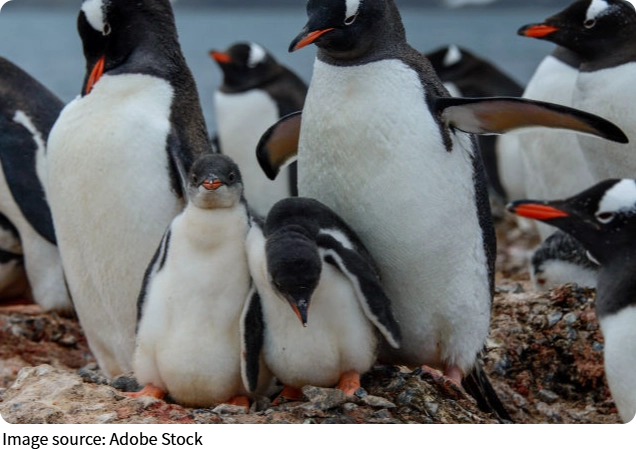
- King Penguin Colonies: Thousands of penguins gather on beaches such as Salisbury Plain, creating incredible natural spectacles.
- Wildlife Viewing: Elephant seals, fur seals, and various seabirds can be seen almost everywhere you land.
- Zodiac Boat Excursions: Small‑boat trips along coastal ice formations and wildlife‑rich shorelines.
Weather and sea conditions determine landing schedules, and the expedition crew will plan daily activities around safety and wildlife presence.
Packing Tips and Safety
Preparing the right gear is crucial because there is no infrastructure on the island:
- Clothing: Warm layered outfits, waterproof jackets, insulated gloves, thermal base layers, and sturdy waterproof boots are essential.
- Sun Protection: Sunglasses and high SPF sunscreen; even cold climates can reflect strong UV off ice.
- Medical & Emergency: Strong travel insurance covering emergency evacuation is important, as there are no medical facilities on the island itself.
Sea conditions can be rough crossing the Drake Passage. If you are prone to sea discomfort, bring suitable prevention or remedies.
Final Thoughts
Lykkers, South Georgia Island isn't just a trip — it's an expedition into one of the most remote wildernesses on Earth. From giant king penguin rookeries to historic whaling ruins and endless icy mountains, every moment feels special. Good planning, understanding the real costs, and preparing for minimal infrastructure will help make this extraordinary journey safe, smooth, and genuinely unforgettable.
South Georgia - Remote Paradise
Video by Originz TV